Real estate investment in Barcelona as a way to preserve capital and generate income
Barcelona remains one of the strongest and most liquid real estate markets in Spain. It is an international city with limited supply, high rental demand, a developed economy, universities, tourism, the Mediterranean Sea, strong infrastructure and steady interest from foreign buyers.
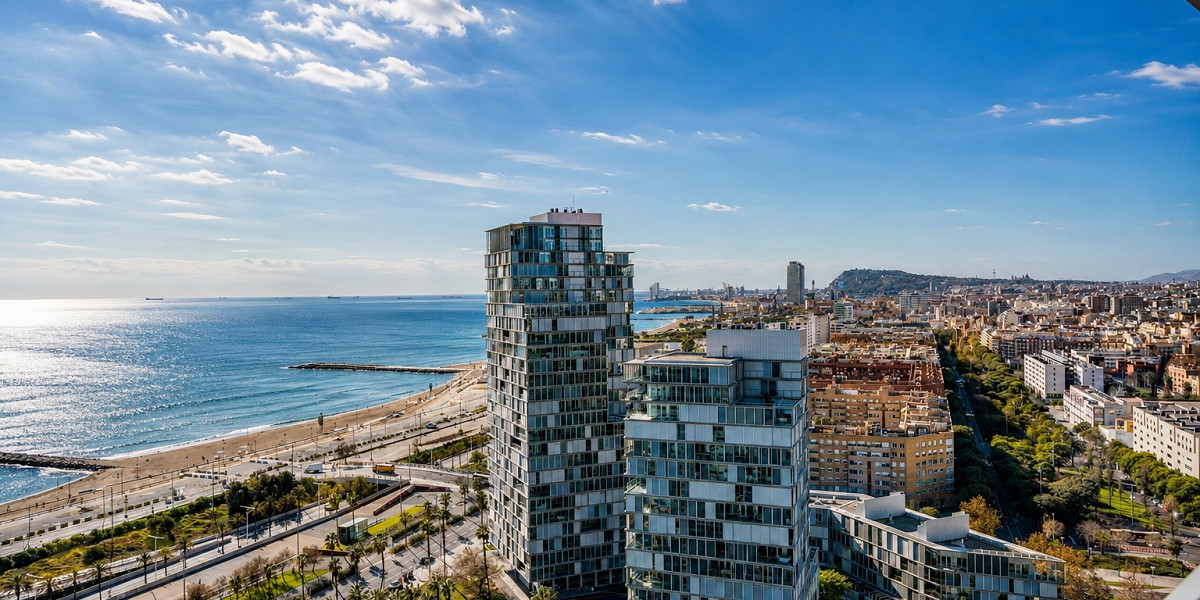
Real estate investment in Barcelona should not be understood as buying any property in a popular city. Barcelona is a complex and highly segmented market. An apartment in Eixample, a property in Diagonal Mar, a renovation project in Gracia, a premium home in Sarria-Sant Gervasi, a commercial unit in a high-footfall area or a small rental apartment in an emerging district all follow different investment logic.
For some buyers, Barcelona is a market for capital preservation. For others, it is a rental market for long-term or mid-term income. For others, it is an opportunity to buy a property for renovation, improve it and resell at a higher price. In all cases, the result depends on the district, building condition, legal due diligence and entry price.
General situation in the Barcelona real estate market
The Barcelona property market remains active thanks to limited supply and stable demand. The city has little available land, few quality new developments in central areas and strong interest from local and international buyers.
The main feature of Barcelona is the shortage of quality properties. Good apartments with practical layouts, elevators, terraces, parking, views, strong floor levels or locations in desirable districts are absorbed quickly if the price is aligned with the market.
Buyers have become more selective. They compare not only price per square metre, but also building condition, community expenses, energy efficiency, rental potential, legal clarity, renovation prospects and district liquidity.
Barcelona remains an expensive market, but its limited supply, international status and constant demand continue to support its investment appeal.
Why investors choose Barcelona
Barcelona combines several factors that make it attractive for investment:
international city status;
Mediterranean lifestyle;
strong tourism and business demand;
universities and business schools;
quality healthcare;
international schools;
major international airport;
limited housing supply;
strong rental demand;
prestigious districts;
cultural and business environment;
liquidity of strong assets.
Barcelona is not only for investors seeking yield. Many buyers choose the city as a way to preserve capital in a European asset. In strong districts, property may generate moderate rental income, but remain liquid and attractive for resale.
Yield benchmarks
Property yields in Barcelona depend on the district, purchase price, condition of the asset, taxes, maintenance costs and rental strategy.
In residential real estate, a realistic gross yield benchmark is often around 3.5–5% per year. In some areas and with a good purchase price, the figure may be higher, but in the most prestigious and liquid locations yields are usually more moderate.
For Barcelona, it is important to distinguish yield from liquidity. A property in Eixample, Sarria-Sant Gervasi or Diagonal Mar may not offer the highest rental percentage, but it can be a stronger asset for capital preservation. A property in a less expensive area may show a higher yield, but carry more risk related to tenants, building condition and future resale.
As a general guide:
3–4% per year — conservative and liquid assets in strong districts;
4–5% per year — a realistic range for residential rental with the right entry price;
5–6% per year — possible, but requires careful checking of the area, building condition and costs;
6–7.5% per year — more common in commercial property, street retail or higher-risk segments;
above 7.5% — always a reason to investigate why the yield is so high.
High yield in Barcelona rarely comes without risk. It may be linked to poor property condition, a weaker location, legal restrictions, a short lease, an unstable tenant or limited resale potential.
Residential rental in Barcelona
Residential rental remains one of the main investment strategies in Barcelona. Demand comes from local residents, international professionals, students, entrepreneurs, families, relocation clients and temporary workers.
For long-term rental, the most important factors are transport, infrastructure, schools, offices, universities and quality of life. For mid-term rental, districts that are convenient for international professionals and students are especially relevant.
When calculating returns, it is important to distinguish between gross and net yield. Gross yield is calculated before taxes, community fees, insurance, repairs, management and vacancy periods. Net yield after all expenses can be significantly lower.
For example, if an apartment is purchased for €500,000 and rented for €2,000 per month, the gross annual income is €24,000, or 4.8% before expenses. After taxes, community fees, insurance, management and possible vacancy, the real result will be lower.
Best districts in Barcelona for investment
Barcelona consists of very different districts, and each one suits a different strategy.
Eixample remains one of the most liquid districts in the city. Its classic buildings, high ceilings, wide streets, architecture, transport, restaurants, shops and stable rental demand make it attractive for investors focused on liquidity.
Sarria-Sant Gervasi is a prestigious residential district for families, foreign buyers and high-budget clients. Quality of life, schools, safety, green areas and status are key here. Yields may be moderate, but good properties remain highly liquid.
Pedralbes is a premium and more private market. Buyers look for large apartments, houses, properties close to international schools and high-end real estate. This is mainly a capital preservation market, not a maximum-yield market.
Gracia is attractive because of its atmosphere, rental demand, dense urban life and popularity among both local and foreign residents. Building condition and layout should be checked carefully.
Poblenou and 22@ attract investors because of business development, technology companies, offices, new projects and proximity to the sea. This area has a clear growth logic, although entry prices have already increased.
Diagonal Mar is a modern seaside market with newer complexes, views, parking, pools and infrastructure. Buyers choose this area for living, rental and capital preservation. Yields may be moderate, but quality and location support liquidity.
Ciutat Vella, the Gothic Quarter, Born and Raval require more cautious analysis. These areas can be interesting for rental and historic properties, but they carry more legal, technical and management risks.
New developments in Barcelona
New developments in Barcelona remain in demand, but supply is limited. In central districts, new projects are scarce, and quality units are absorbed quickly.
Buyers value modern layouts, energy efficiency, terraces, parking, elevators, communal areas, swimming pools, security and lower renovation costs after purchase.
For investors, a new build can be a more understandable and convenient asset. However, yields are often moderate because the purchase price is higher than in the resale market. The investment logic is based not only on rental income, but also on quality, liquidity and long-term value preservation.
Before buying a new development, it is important to check:
developer reputation;
building permits;
bank guarantees;
delivery timelines;
payment terms;
quality of materials;
community expenses;
district liquidity;
rental or resale prospects.
Resale market and renovation properties
The resale market is the core of Barcelona real estate. Most apartments in Eixample, Gracia, Sarria-Sant Gervasi, Les Corts, Ciutat Vella and other districts belong to this segment.
The advantage of the resale market is the possibility of buying in an established location. The disadvantage is the need for detailed checks of the building and documents.
Renovation properties can be interesting if the purchase price allows value creation. In Barcelona, this may be an apartment in a good district with outdated finishes, inefficient layout or underused potential.
However, renovation in Barcelona requires experience. Investors need to consider licences, building condition, utilities, community restrictions, material costs, work timelines and possible technical surprises.
A good renovation property can increase in value after works. A poor one can become a long and expensive project with unclear profitability.
Tourist and mid-term rental
Tourist rental in Barcelona is one of the most regulated segments of the market. Buying a property with the expectation of tourist rental without checking the licence is risky. The city has strict rules, and legal tourist rental must be verified in advance.
Mid-term rental can be interesting for investors focused on foreign professionals, students, relocation and temporary projects. But here too it is important to consider regulation, contract structure, management costs and possible rule changes.
Investors should define the strategy before buying:
long-term rental;
mid-term rental;
student rental;
rental to professionals;
personal use with occasional rental;
purchase for future resale.
The strategy determines the district, property type, renovation level, furniture, budget and legal checks.
Commercial property and street retail
Commercial property in Barcelona can be interesting for investors seeking higher income than in the residential segment. This may include ground-floor units, offices, small commercial assets, leased premises and street retail.
In street retail, investors often see yield benchmarks of around 5–7.5% per year. But this level of return requires careful due diligence. The higher the advertised percentage, the more questions should be asked.
Main street retail risks include:
weak tenant;
short lease;
unstable business;
vacancy risk;
dependence on footfall;
condition of the unit;
licences;
owner expenses;
difficulty re-letting;
liquidity on resale.
Prime retail streets in Barcelona offer lower yields, but are considered more stable. In less central areas, yields may be higher, but risk is also higher.
A commercial asset cannot be evaluated only as square metres. The tenant’s business, lease terms, footfall, location prospects and ability to find a replacement tenant all need to be analysed.
Taxes and costs
Real estate investment in Barcelona should be calculated with all costs included. The purchase price is only part of the budget.
Possible purchase costs include:
property transfer tax for resale property;
VAT and stamp duty for new builds;
notary fees;
land registry fees;
lawyer fees;
banking costs;
valuation;
renovation and furnishing;
translation of documents.
After purchase, the owner pays annual taxes, utilities, community fees, insurance, maintenance and rental income tax if the property is rented out.
A property with a gross yield of 5% may look attractive, but after all expenses the net result will be lower. Before buying, investors should calculate several scenarios: optimistic, base and conservative.
Main risks for investors
The main risk is buying an overpriced property. Barcelona is a strong market, and sellers often price in district prestige, supply shortage and expectations of future growth.
The second risk is choosing the wrong area. Even in Barcelona, liquidity can vary significantly from street to street.
The third risk is building condition. This is especially important for older buildings, historic properties and apartments after partial renovations.
The fourth risk is legal restrictions. These may concern rental, licences, property status, debts, tenants, layout changes and renovation permits.
The fifth risk is unrealistic yield expectations. Barcelona is not a market of easy, quick returns. It is a market where a quality asset is often valuable not only for income, but also for liquidity.
How to choose an investment property in Barcelona
A good investment property in Barcelona should match not only the buyer’s taste, but also market logic.
Before buying, it is important to answer several questions:
Who will be the future tenant or buyer?
Why will this property be in demand?
Can it be sold easily in several years?
Is the price in line with the market?
Are there legal restrictions?
What are the post-purchase costs?
What is the real yield?
Does it need renovation?
Does the district match the chosen strategy?
Is the specific street and building liquid?
Investment property in Barcelona is not always the most beautiful property. Often, the best investment is an apartment with a practical layout, a solid building, a clear rental audience and a liquid location.
Outlook for real estate investment in Barcelona
In the coming years, Barcelona is likely to remain one of the most sought-after markets in Spain. Limited supply, international demand, quality of life, the sea, infrastructure and the city’s role as an economic and cultural centre will continue to support buyer interest.
The most resilient assets will be properties in strong districts, apartments with good layouts, terraces, parking, elevators, views, quality renovation and clear legal status.
Buyers will continue to evaluate price, documents, building condition, energy efficiency and real costs more carefully. In this environment, the strongest investments will be those that fit a clear strategy.
Conclusion
Real estate investment in Barcelona can be an effective way to preserve capital, generate rental income and create a long-term European asset. But Barcelona is a complex market where not only the city and district matter, but also the specific street, building, floor, layout, documents and entry price.
In residential real estate, a realistic gross yield benchmark is often around 3.5–5% per year. In commercial property and street retail, investors may see 5–7.5%, but that level of income requires deeper analysis of the tenant, lease, footfall and vacancy risk.
GG Real Estate Barcelona helps buyers and investors analyse the Barcelona property market, choose districts, compare properties, check documents, calculate costs and complete transactions safely. In a market where quality supply is limited, professional support is especially important.