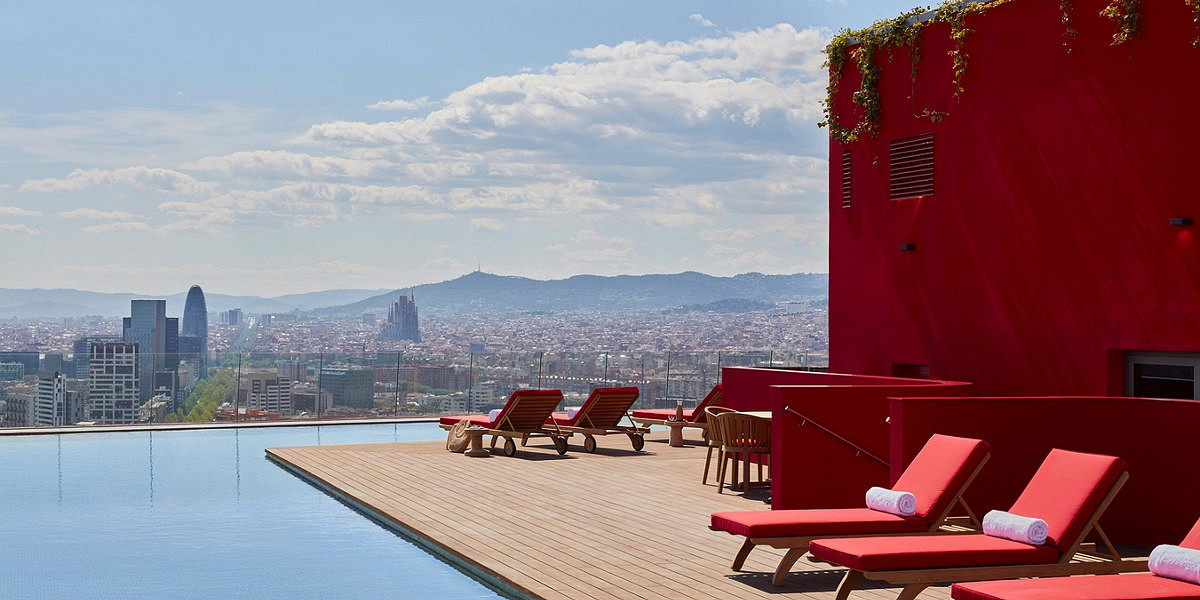
Barcelona remains one of the most resilient real estate markets in Spain. The city combines a strong international reputation, limited supply of quality housing, high demand from foreign buyers, developed infrastructure, universities, healthcare, a dynamic business environment, and a Mediterranean lifestyle.
In 2026, the key question for buyers is not simply: “Will prices continue to rise?” A much more important question is: what property should you buy, in which area, for what purpose, and at what price?
The Barcelona property market is no longer uniform. An apartment in Eixample, a sea-view residence in Diagonal Mar, a villa in Pedralbes, or a house in the suburbs all serve different purposes and have different levels of liquidity.
According to BBVA Research, housing prices in Spain may continue to grow strongly in 2026. Analysts expect an increase of around 10.2% in 2026, followed by more moderate growth in 2027. Among the main reasons are strong migration, the creation of new households, and insufficient new housing supply.
What Is Happening in the Barcelona Real Estate Market in 2026?
Barcelona is one of the cities where demand consistently exceeds the supply of quality properties. There is little available land for new construction within the city, licensing processes are lengthy, and much of the attractive housing stock is located in historic buildings. In these cases, the technical condition, legal status, presence of an elevator, quality of renovation, and overall condition of the building are especially important.
According to municipal statistics, the average price per square meter in Barcelona exceeded €4,000 for the first time in 2025, reaching approximately €4,240. This was around 9.4% higher than the previous year. Over the past decade, prices have increased by more than 60%, with particularly strong growth in areas such as Sant Martí and Poblenou.
This does not mean that every property in Barcelona is automatically a good investment. On the contrary, the more expensive the market becomes, the more important professional selection is. Buyers need to analyze not only the price per square meter, but also liquidity, rental demand, the condition of the building, the legal history of the property, possible restrictions, and the future potential of the area.
Why Demand Remains High
Demand for real estate in Barcelona is supported by several strong factors.
First, Barcelona remains an internationally attractive city. It is a clear and familiar choice for buyers from Europe, Latin America, the United States, the United Kingdom, the Middle East, and CIS countries. For some, it is a place to live. For others, it is a second home. For many, it is a way to diversify capital in Europe.
Second, demand is growing among families considering relocation to Spain. For these buyers, international schools, safety, healthcare, transport, climate, and the opportunity to live by the sea without giving up big-city infrastructure are especially important.
Third, Barcelona remains an investment market. In 2025, real estate investment in Spain exceeded €18.4 billion, showing a 31% increase compared with the previous year. CBRE expects positive momentum to continue in 2026.
Where to Buy Property in Barcelona
The choice of area depends on the purpose of the purchase.
For Living in the City Center
Buyers who want to live in an urban environment should consider Eixample, Sarria-Sant Gervasi, Turo Park, Pedralbes, Upper Diagonal, as well as selected parts of Gracia and Poblenou.
Eixample is ideal for those who appreciate architecture, restaurants, shops, walkability, and the classic Barcelona lifestyle. Here, it is important to pay attention to the floor, the presence of an elevator, the condition of the facade, the inner courtyard, and technical systems.
Sarria-Sant Gervasi and Pedralbes are often chosen by families who value privacy, schools, green areas, and a calmer pace of life.
For Living by the Sea
If the priority is the sea, modern residential complexes, parking, swimming pools, and apartments with views, buyers should consider Diagonal Mar, Poblenou, Barceloneta, and certain areas near the port.
At the same time, seaside properties require special attention to the technical condition of the building, energy efficiency, and the quality of management by the owners’ community.
For Families Outside the City
Many families compare Barcelona with its surrounding areas, including Gava Mar, Castelldefels, Sant Cugat, Sitges, Alella, and Sant Andreu de Llavaneres.
Outside the city, buyers can often find larger homes, private gardens, swimming pools, and a quieter environment. However, it is important to consider transport, schools, daily routes, and the liquidity of the specific location.
GG Real Estate Barcelona works with properties in Barcelona, the surrounding areas, and along the Catalan coast, including apartments, penthouses, houses, and villas by the sea. The company provides full transaction support: from property search and negotiations to legal due diligence, mortgages for non-residents, and completion of the purchase.
Who Should Buy in 2026?
Buying property in Barcelona in 2026 may be a smart decision for several types of clients.
For buyers purchasing a home for personal use, especially if they plan to live in Spain in the medium or long term. In this case, real estate becomes not only an asset, but also part of personal infrastructure: school, neighborhood, healthcare, transport, and social environment.
For families who want to secure their budget. In a market with limited supply, waiting does not always work in the buyer’s favor. If the property is chosen correctly, purchasing can help protect against further price increases and rising rental costs.
For investors with a horizon of at least five years. Barcelona is suitable for capital preservation strategies, the purchase of liquid residential property, commercial real estate, or properties with growth potential after renovation.
For premium-segment buyers. In the upper price range, access to private and off-market properties is often decisive. The best apartments, villas, and buildings do not always appear in public advertising.
When Buying May Not Be the Right Decision
Buying can be a mistake if the client acts without a clear strategy.
You should not buy a property simply because “prices are rising.” You should not choose an apartment based only on attractive photos. You should not sign a deposit agreement without legal verification. You should not ignore the condition of the building, community debts, urban planning restrictions, licensing issues, or the real costs after purchase.
Particular caution is needed with properties promising very high returns. In Barcelona, high profitability almost always means additional risks: the condition of the property, legal restrictions, rental regulation, the need for renovation, or an unstable tenant.
What Risks Should Be Checked Before Buying?
Before buying, it is important to conduct due diligence. Usually, the following are checked:
the seller’s ownership rights;
the existence of mortgages, seizures, debts, or encumbrances;
whether the size and layout match the official documents;
the status of the building and possible urban planning restrictions;
debts owed to the owners’ community;
the technical condition of the property;
renovation licenses, if they were required;
the possibility of financing;
tax burden and transaction costs.
For non-residents, a transparent transaction structure is especially important. Buyers need to understand in advance where the funds come from, how the bank account will be opened, when the NIE will be obtained, who will represent the buyer at the notary, and whether the transaction can be completed by power of attorney.
Is It Worth Waiting for Prices to Fall?
There is no universal answer. Some overpriced properties may allow room for negotiation. However, for quality properties in good areas, demand remains strong. If an apartment is well located, has a good layout, a terrace, views, parking, an elevator, a quality building, and a clean legal history, the seller is rarely willing to offer a significant discount.
In 2026, the strategy of “waiting for the market to fall” may be risky, especially for buyers looking for a specific type of property: an apartment in Eixample, a house near an international school, a villa by the sea, or a liquid investment asset.
A much more effective strategy is to define the purpose of the purchase, budget, acceptable areas, property requirements, and act quickly when a truly suitable option appears.
Conclusion
Buying property in Barcelona in 2026 is worth considering if the purchase fits your lifestyle or investment strategy. The market remains strong, international demand continues, supply is limited, and quality properties in good locations remain scarce.
However, buyers should not buy “the market.” They should buy a specific property. This is why professional selection, negotiations, legal due diligence, tax planning, and an understanding of future liquidity are essential.
GG Real Estate Barcelona helps clients find property in Barcelona and Catalonia for specific goals: living, investment, relocation, or capital preservation. We support the transaction at every stage — from strategy and property search to the notary, mortgage, taxes, and receiving the keys.
FAQ
Is it worth buying an apartment in Barcelona in 2026?
Yes, if the property is chosen correctly and matches your goal. Barcelona remains a liquid market with limited supply and stable demand.
Which areas of Barcelona are the most liquid?
Among the most sought-after areas are Eixample, Sarria-Sant Gervasi, Pedralbes, Diagonal Mar, Poblenou, and selected parts of the Old Town. The choice depends on the budget and purpose of the purchase.
Can a foreigner buy property in Barcelona?
Yes. Foreigners can buy real estate in Spain, including Barcelona. For the transaction, a buyer will need an NIE, a bank account, and legal due diligence of the property.
What is better: an apartment in Barcelona or a house in the suburbs?
An apartment in Barcelona usually offers stronger urban liquidity and rental demand. A house in the suburbs is better suited to families who need more space, privacy, a garden, and access to international schools.