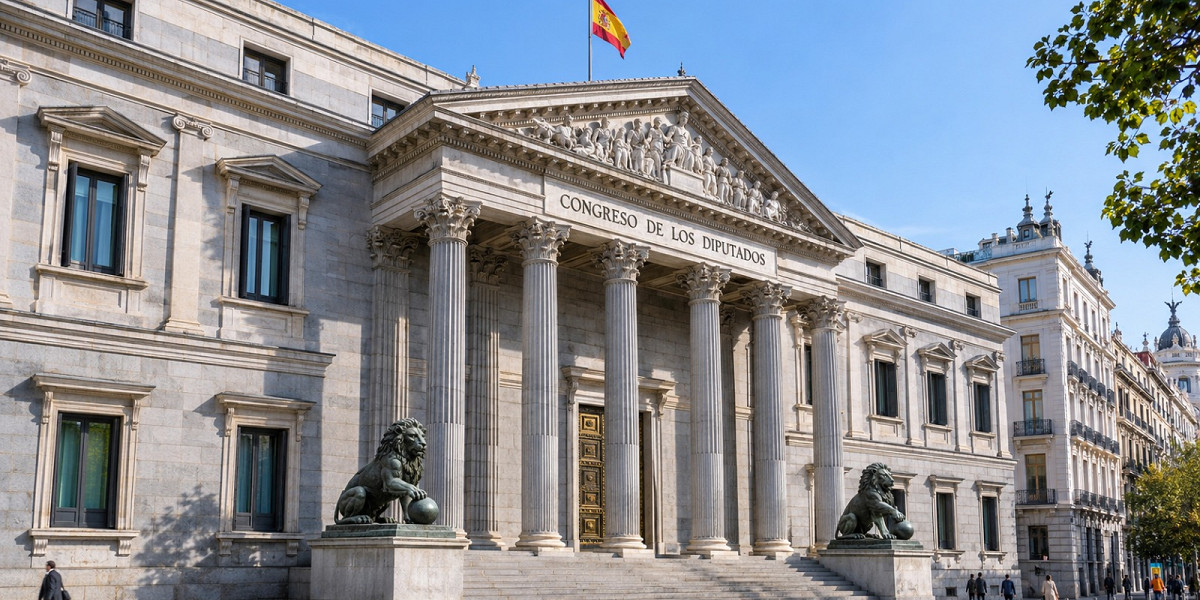
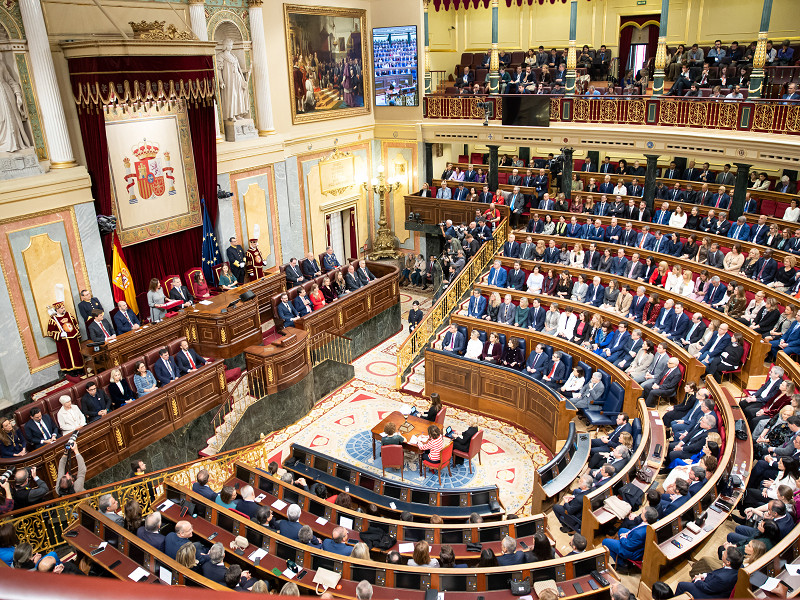
Spain will hold an early general election on 29 November 2026, potentially leading to a change of government and significantly influencing the country's economic policies. Recent opinion polls indicate that the People's Party (PP) is leading, although the final composition of the government will depend on the election results and subsequent political agreements.
Political Situation Ahead of the Election
Spain is approaching the parliamentary election amid intense political competition. The government led by Socialist Prime Minister Pedro Sánchez is facing increasing pressure from the opposition, while the cost of living, housing affordability, taxation and immigration policy remain central issues in public debate.
The main contenders in the election are the Spanish Socialist Workers' Party (PSOE), the People's Party (PP) and the right-wing Vox party.
PP leader Alberto Núñez Feijóo is seeking to form a new government. Meanwhile, Vox, led by Santiago Abascal, could play a decisive role in securing a parliamentary majority.
What Do the Latest Opinion Polls Show?
According to a Sigma Dos survey published on 2 November 2026, the People's Party leads with 31.1% of the vote. The Socialist Party is projected to receive 24.6%, while Vox stands at 19.3%.
In terms of parliamentary seats, PP is projected to win between 133 and 139 seats, PSOE between 97 and 103, and Vox between 63 and 69.
An absolute majority in the Congress of Deputies requires 176 seats. Therefore, if current electoral trends continue, PP and Vox could potentially secure a parliamentary majority.
However, opinion polls reflect voter preferences at the time they are conducted. The final results may change depending on the election campaign, voter turnout and voting patterns in individual provinces.
Three Possible Scenarios After the Election
PP Wins and Forms a Majority with Vox
According to most published independent opinion polls, this is currently the most likely scenario.
Such a government could change Spain's approach to taxation, housing market regulation, immigration policy and business support.
However, the extent of the reforms would depend on coalition agreements between the parties.
PP Wins Without a Formal Coalition with Vox
The People's Party may attempt to form a minority government, relying on parliamentary support from other political forces.
This scenario could potentially result in a more moderate economic programme, although it would require complex political negotiations.
PSOE Remains in Power
The Socialists could improve their position during the final weeks of the campaign and attempt to form an alternative parliamentary majority.
In this case, the main directions of the current government's social, tax and housing policies would likely continue.
Why Are the Election Results Important for Spain's Economy?
Spain remains one of the largest economies in the European Union, with its development closely linked to tourism, international investment, construction, manufacturing and the services sector.
The next government will need to address housing affordability, productivity growth, infrastructure development, public finances and the country's attractiveness to investors.
The construction sector deserves particular attention. Insufficient housing supply in several major cities and coastal regions remains one of the structural challenges facing the Spanish property market.
How Could the Election Affect the Real Estate Market?
Four areas of future government policy are particularly important for the property market: rental regulation, residential construction, property transaction taxation and the protection of ownership rights.
If a centre-right government comes to power, new initiatives could aim to reduce administrative procedures, increase the availability of land for development and strengthen legal protections for property owners.
If the Socialist government remains in power, the existing approach to rental market regulation and affordable housing programmes is likely to continue.
However, any legislative changes would require appropriate legal procedures, while certain decisions would remain within the jurisdiction of Spain's autonomous communities and municipalities.
What Should Foreign Buyers and Investors Expect?
Spanish real estate continues to attract international buyers thanks to the country's climate, infrastructure, quality of life and diverse investment opportunities.
The most sought-after destinations include Barcelona and Catalonia, Madrid, Costa Blanca, Costa del Sol and the Balearic Islands.
Political changes may affect certain investment conditions but will not necessarily lead to immediate changes in property prices.
Real estate values will continue to depend on location, available supply, purchasing power, mortgage interest rates and the characteristics of individual properties.
Outlook: Spain on the Verge of Political Change
Several weeks before the election, the People's Party maintains its lead, while a potential parliamentary majority between PP and Vox appears to be the most likely political outcome.
Nevertheless, the election cannot be considered decided in advance.
The key question is not only which party receives the most votes, but also what economic programme the next government will be able to implement.
For the property market and international investors, the decisive factors will be specific legislative decisions, tax policies and measures aimed at increasing housing supply.
The election on 29 November 2026 could mark the beginning of a new political chapter in Spain. Its actual economic consequences will emerge gradually as the new government is formed and its programme is implemented.