What taxes do buyers pay when purchasing an apartment, house or villa?
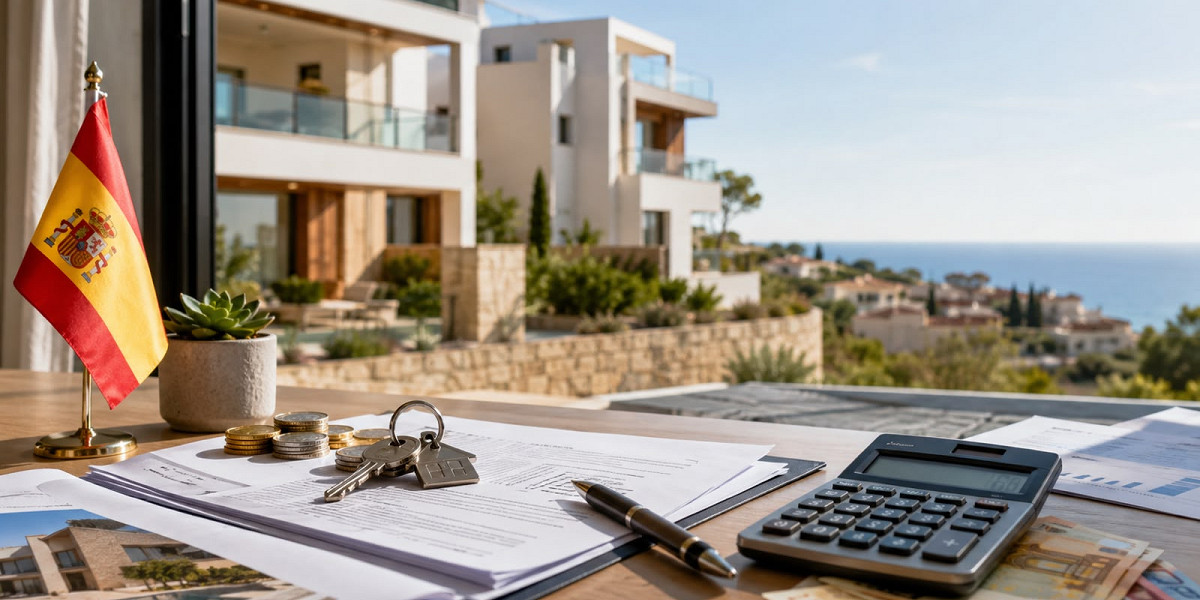
When buying property in Spain, it is important to consider not only the purchase price but also the taxes and additional costs associated with the transaction.
The amount of tax mainly depends on whether the buyer is purchasing a new-build property directly from a developer or a resale property, as well as on the autonomous community where the property is located.
Foreign buyers are generally subject to the same purchase taxes as Spanish nationals. Taxation is determined by the type of transaction, the property and its location rather than the buyer's nationality.
For this reason, the full acquisition budget should be calculated before signing an arras agreement or transferring a deposit.
Main taxes when buying property in Spain
The principal taxes applicable to property purchases in Spain are:
- ITP — Impuesto sobre Transmisiones Patrimoniales, applicable to most resale properties;
- IVA — Value Added Tax (VAT), generally applicable to new-build properties;
- AJD — Actos Jurídicos Documentados, or Stamp Duty, applicable mainly to new-build purchases and certain other transactions.
ITP and AJD are regulated largely at regional level. As a result, tax rates may differ between Catalonia, Madrid, Andalusia, the Valencian Community, the Balearic Islands and other autonomous communities.
Tax on resale property
When purchasing a resale apartment, house or villa, the buyer normally pays ITP — Property Transfer Tax.
VAT is generally not charged on a standard resale residential property transaction.
The applicable ITP rate depends on the autonomous community. Some regions apply a flat rate, while others use progressive taxation, meaning that different portions of the purchase price may be taxed at different rates.
Reduced rates may also be available for certain categories of buyers, including:
- younger buyers;
- large families;
- people with disabilities;
- buyers of protected housing;
- buyers purchasing their main residence, subject to specific requirements.
The applicable regional rules should therefore always be checked before completing a purchase.
Property purchase taxes in Catalonia
Catalonia applies a progressive ITP system for most property purchases.
For standard transactions, the following brackets generally apply:
- up to €600,000 — 10%;
- from €600,000 to €900,000 — 11%;
- from €900,000 to €1.5 million — 12%;
- above €1.5 million — 13%.
The system is progressive. This means that when a property exceeds a certain threshold, the highest rate does not automatically apply to the entire purchase price.
Reduced rates may apply to certain eligible buyers.
Special rules may also apply to investors acquiring multiple residential units or entire residential buildings, so larger investment transactions should be analysed individually.
Example of ITP calculation
Suppose a buyer purchases a resale apartment in Catalonia for €500,000.
At a 10% rate, the tax would be:
€500,000 × 10% = €50,000
The buyer should therefore budget approximately €50,000 for ITP alone.
For higher-value properties, the tax is calculated according to the applicable progressive brackets.
Taxes on new-build property
When purchasing a newly built residential property directly from a developer as a first transfer, the buyer generally pays:
- 10% VAT (IVA);
- AJD — Stamp Duty.
The standard VAT rate for new residential property is 10% throughout Spain.
AJD is set by each autonomous community and therefore varies depending on the property's location.
Example: buying a new-build apartment
If a new apartment costs €600,000, the VAT would be:
€600,000 × 10% = €60,000
AJD must then be added at the applicable regional rate.
This is why the taxation of new-build and resale property must be calculated differently.
What is considered a new property?
For tax purposes, the age of the building itself is not the only relevant factor.
VAT generally applies to the first transfer of a newly built property directly by the developer.
If the property has already been transferred previously and is subsequently resold, the transaction is normally subject to ITP instead.
There can be exceptions in certain commercial and investment transactions, so the tax treatment should be confirmed before signing a binding contract.
What value is used to calculate the tax?
A common mistake is to assume that tax is always calculated exclusively on the purchase price stated in the deed.
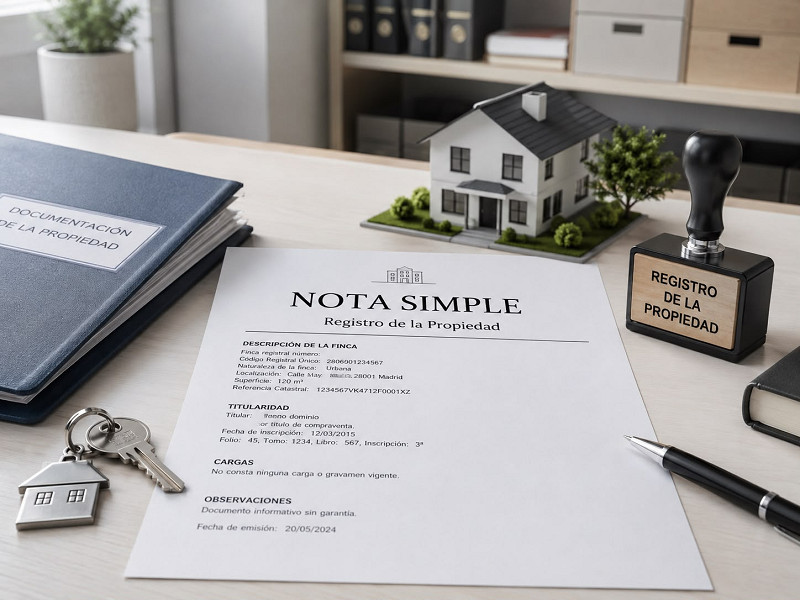
For resale property, the taxable base may be affected by the official valor de referencia, or reference value, determined by the tax authorities.
If the reference value is higher than the agreed purchase price, tax may in certain circumstances be calculated using that higher amount.
Before signing a transaction, buyers should therefore verify:
- the agreed purchase price;
- cadastral information;
- whether a valor de referencia exists;
- the taxable base applicable to the transaction.
This can prevent unexpected additional tax costs after completion.
Do foreign buyers pay higher purchase taxes?
Being a foreign national or non-resident does not normally result in a higher property acquisition tax.
A non-resident buyer is generally subject to the same principal purchase taxes:
- ITP on resale property;
- VAT and AJD on new-build property.
However, after the purchase, the ongoing tax obligations of residents and non-residents may differ.
Non-resident owners should therefore also consider annual property-related taxation and taxation of rental income.
Are there special taxes if the property is bought for residency purposes?
The purchase of property and obtaining legal residence in Spain are separate matters.
Property acquisition taxes are not reduced merely because the buyer intends to live in Spain or obtain Spanish residency.
The applicable taxes are determined primarily by the type of transaction and the autonomous community.
Additional costs when buying property
In addition to taxes, buyers should budget for other transaction costs.
These may include:
- notary fees;
- Land Registry fees;
- independent legal advice;
- banking costs;
- mortgage valuation;
- technical inspections;
- certified translations;
- powers of attorney where required.
The purchase price alone therefore does not represent the full acquisition cost.
How much should buyers budget above the purchase price?
There is no single percentage that applies throughout Spain.
For resale properties, additional costs depend heavily on the ITP rate applicable in the relevant region.
For new-build properties, buyers must account for 10% VAT, AJD and other transaction costs.
Before committing to a property, it is advisable to prepare a complete purchase cost calculation.
This is particularly important for high-value properties, where a difference of only one or two percentage points can represent tens of thousands of euros.
Buying with a mortgage
Obtaining a mortgage does not eliminate the taxes due on the property purchase itself.
The buyer must still pay the applicable taxes on the acquisition.
Additional costs may also arise in connection with financing, including property valuation and certain bank-related expenses.
The mortgage budget should therefore be calculated separately from the buyer's deposit or equity contribution.
Commercial property is taxed differently
The taxation of commercial property can differ significantly from residential property.
Depending on the seller, the history of the asset and the tax status of the parties, the transaction may be subject to:
In certain transactions between businesses, it may be possible to waive the VAT exemption and apply the reverse-charge VAT mechanism — inversión del sujeto pasivo.
The tax structure for an office, retail unit, commercial building, hotel or other investment property should therefore be analysed before any binding agreement is signed.
Common mistakes made by buyers
The most frequent tax-related mistakes include:
- budgeting only for the property price;
- ignoring regional tax differences;
- confusing taxation of new-build and resale properties;
- failing to check the valor de referencia;
- using outdated ITP rates;
- forgetting AJD;
- overlooking notary and registry costs;
- signing arras before calculating the complete purchase budget;
- applying residential tax assumptions to commercial transactions.
Two properties with the same purchase price in different Spanish regions can therefore have different total acquisition costs.
How to calculate the purchase budget correctly
Before paying a deposit, buyers should determine:
- whether the property is new or resale;
- the autonomous community where it is located;
- the applicable ITP or AJD rate;
- whether a valor de referencia exists;
- whether reduced rates or tax benefits apply;
- the notary and Land Registry costs;
- whether mortgage financing will be required;
- whether the transaction has any special tax characteristics.
Only after these points have been reviewed can the real cost of the purchase be calculated accurately.
Conclusion
Taxes when buying property in Spain depend primarily on the type of property and its location.
Resale property is generally subject to ITP, with rates determined by the relevant autonomous community.
A new residential property purchased directly from a developer is generally subject to 10% VAT and AJD.
Larger investment and commercial transactions may require a more complex tax analysis.
For this reason, buyers should calculate the entire acquisition cost — not merely the asking price — before signing an arras agreement.
GG Real Estate Barcelona represents buyers and provides comprehensive assistance with residential and investment property acquisitions in Barcelona, Catalonia and other regions of Spain.
Our team reviews the legal status of the property, calculates transaction taxes and costs, negotiates arras agreements, coordinates the notarial completion and supports the buyer through registration of ownership.
Frequently asked questions
What tax do I pay when buying a resale property in Spain?
The buyer normally pays ITP. The applicable rate depends on the autonomous community and, in some regions, on the purchase price.
What taxes apply to a new-build property?
A new residential property purchased directly from a developer is normally subject to 10% VAT and regional AJD.
Are property purchase taxes the same throughout Spain?
No. VAT is regulated nationally, while ITP and AJD vary between autonomous communities.
Do foreign buyers pay more tax?
Generally, no. Foreign nationality or non-resident status alone does not normally increase the acquisition tax.
What is the valor de referencia?
It is an official reference value established by the tax authorities and may be used to determine the taxable base for certain resale property transactions.
How much should I budget on top of the purchase price?
The amount depends on the region and type of property. Taxes, notary fees, Land Registry costs, legal fees and other expenses should all be considered.
When should purchase taxes be calculated?
Ideally, before signing the arras agreement so that the buyer understands the complete financial commitment.